 Zevmio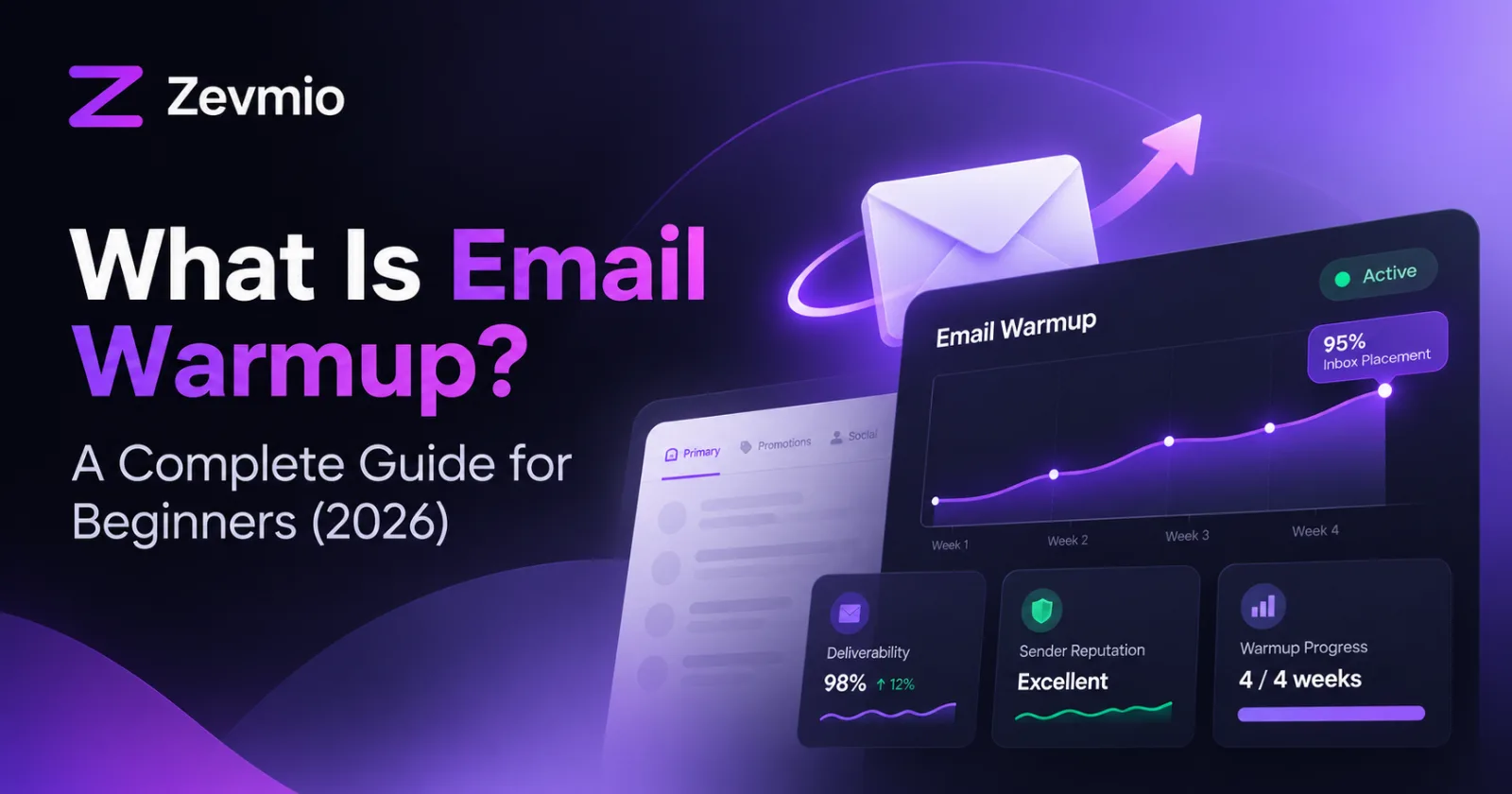
Email warmup is an essential process for anyone looking to improve their email deliverability and sender reputation, especially when starting with a new email account or domain. Whether you’re a business owner, marketer, or entrepreneur, understanding email warmup can help ensure your messages actually reach your recipients’ inboxes instead of getting lost in spam folders. This guide breaks down what email warmup is, why it matters in 2026, and how you can implement an effective warmup strategy.
What Is Email Warmup?
Email warmup is the gradual process of sending emails from a new or dormant email account to build a positive sender reputation with internet service providers (ISPs) and email clients. When an email account starts sending out large volumes of emails without a history, ISPs may flag it as suspicious, leading to emails landing in spam or being blocked altogether. By slowly ramping up sending volume and engaging in genuine interactions, you "warm up" the account, signaling to ISPs that you’re a trustworthy sender.
Why Is Email Warmup Important in 2026?
In 2026, email providers continue to enhance their spam filtering algorithms to protect users from unsolicited messages. Businesses are also increasingly reliant on email for marketing, outreach, and transactional communications. This heightened scrutiny means that new or inactive email accounts face even greater challenges in reaching inboxes.
Key reasons email warmup is crucial:
- Protects sender reputation: Sudden spikes in email activity are red flags to ISPs. Warming up prevents your domain from being blacklisted.
- Improves deliverability: A positive sender reputation increases the likelihood that your emails land in the inbox rather than spam.
- Supports campaign success: Higher deliverability leads to better open and engagement rates for your email campaigns.
- Essential for cold outreach: If you’re doing outreach (sales, PR, partnerships), warmup helps your emails avoid being flagged as junk.
How Does Email Warmup Work?
The warmup process typically involves:
- Starting Small: Begin by sending a very limited number of emails per day (often 10-20).
- Gradually Increasing Volume: Slowly raise the daily sending limit over several weeks.
- Focusing on Engagement: Send emails to real, engaged recipients who are likely to open, reply, and interact with your messages.
- Personalizing Content: Avoid sending generic or identical messages, as this can trigger spam filters.
- Monitoring Results: Track key metrics like open rates, bounce rates, and spam reports to adjust your approach if needed.
Manual vs. Automated Email Warmup
- Manual Warmup: You personally send emails to colleagues, friends, or test accounts, encouraging replies and interactions. While effective, this can be time-consuming.
- Automated Warmup Tools: In 2026, many tools can automate the warmup process by connecting with networks of real accounts that interact with your emails, simulate replies, and help build your reputation efficiently.
Best Practices for Effective Email Warmup
- Set up proper authentication: Ensure your domain uses SPF, DKIM, and DMARC records to verify your identity as a sender.
- Use a professional email address: Avoid free email services for business communications; use a custom domain.
- Monitor blacklists: Regularly check if your domain or IP is listed on popular blacklists.
- Be patient: Rushing the process can harm your sender reputation. Stick to a gradual increase in volume.
- Maintain list hygiene: Always send to verified, opted-in contacts to minimize bounces and spam complaints.
Common Mistakes to Avoid
- Sending too many emails too soon
- Using purchased or scraped email lists
- Neglecting engagement signals (opens, replies)
- Ignoring authentication protocols
Conclusion
Email warmup is a foundational step for anyone serious about email marketing or outreach in 2026. By understanding and implementing an effective warmup strategy, you can build a strong sender reputation, maximize deliverability, and set your campaigns up for long-term success. Start slow, focus on authentic interactions, and leverage available tools to ensure your emails always make it to the inbox.